
Are solar panels a viable option for the famously overcast climate of Scotland? The surprising answer is yes. While the sun may not always shine brightly over the Scottish Highlands, over 148,000 homes have already embraced solar technology as part of their energy strategy. Solar panels significantly reduce dependence on traditional energy supplies by up to 50%, proving effective even in less sun-soaked conditions. In this article, discover how solar panels in Scotland are transforming energy consumption patterns, offering sustainable solutions, and paving the way for a greener future.
Understanding Solar Panels in Scotland
Solar panels have become a significant component of Scotland’s renewable energy landscape, with over 148,000 homes having installed them. This widespread adoption underscores their effectiveness, even in Scotland’s often cloudy climate. Despite being situated in the northern hemisphere, the country benefits from sufficient sunlight hours to make solar panels a viable energy solution. These installations can reduce reliance on the national energy grid by up to 50%, providing considerable savings on electricity bills. Moreover, solar panels can generate free electricity about half of the time, highlighting their efficiency in this environment.
- Reduction in electricity bills by generating free power.
- Decreased dependency on the national energy grid.
- Contribution to meeting Scotland’s renewable energy targets.
- Increased property value and appeal to environmentally-conscious buyers.
- Long-term cost savings and protection against rising energy prices.
The environmental benefits of solar panels are substantial. By harnessing solar energy, homeowners contribute to reducing carbon emissions, aligning with Scotland’s sustainability goals. The adoption of solar technology supports a cleaner environment and promotes energy independence. As more families invest in solar panels, the collective impact on reducing fossil fuel reliance becomes increasingly significant, setting a precedent for sustainable living in the region.
Costs and Savings with Solar Panels in Scotland
The financial investment for solar panels in Scotland varies significantly, ranging from £2,500 to £10,500. This variation is primarily due to the size and capacity of the system. Typical solar panel systems fall between 3kW and 6kW, catering to the energy needs of most households. Larger systems, like a 12kW installation, can cost upwards of £12,000 to £13,000. These price points reflect not only the equipment itself but also the installation process and any additional features such as battery storage.
- Panel Type: High-efficiency panels are more expensive but offer better performance.
- System Size: Larger systems cost more but provide greater energy output.
- Installation Complexity: Roof type and structural considerations can affect installation costs.
- Location: Remote areas might incur additional logistics and labour costs.
Annual savings from solar panels, while dependent on system size, are substantial. A 3kW system typically saves around £440 per year on energy bills. Each additional kilowatt can increase savings by approximately £230 to £260 annually. Consequently, larger systems not only reduce more energy costs but also expedite the break-even point. For most households, this financial equilibrium is achieved after about 17 years, balancing the initial outlay with cumulative savings.
Over time, the financial benefits of solar panels become increasingly apparent. As electricity prices continue to rise, the cost savings from solar energy grow, enhancing the return on investment. Moreover, the long lifespan of solar panels, often exceeding 25 years, ensures that households can enjoy reduced energy bills well beyond the initial break-even period. This makes solar panels a financially sound choice, bolstering long-term energy savings and contributing to household sustainability.
Solar Panel Installation Process in Scotland
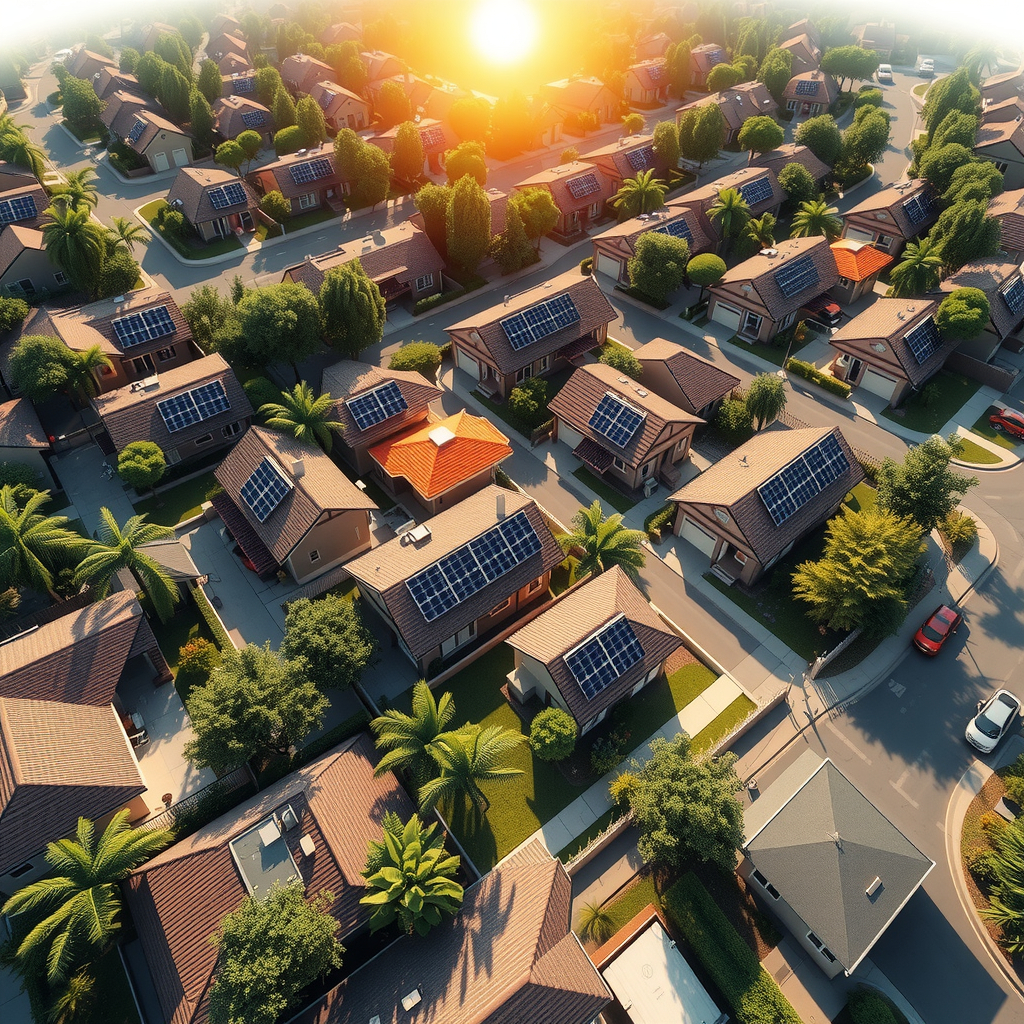
Planning permission for solar panels in Scotland is straightforward and generally not required unless the panels are significantly large or exceed certain dimensions. This allows homeowners to proceed with installations without extensive bureaucratic processes, streamlining the transition to renewable energy. However, consulting with local authorities is prudent to ensure compliance with any specific local regulations, particularly for properties in conservation areas or listed buildings.
Finding a Solar Panel Installer in Scotland
Selecting the right solar panel installer is crucial for a successful installation. The process should begin by obtaining multiple quotes to compare costs and services, ensuring a well-informed decision. Researching potential installers is equally important to assess their reputation and previous work quality.
- What is the installer’s experience with similar projects?
- Are they MCS-approved or accredited by relevant industry bodies?
- What warranties and after-sales support do they offer?
- Can they provide references from previous clients?
- How do they handle unexpected issues during installation?
For those seeking reliable services, solarpanelsscotland.com is recommended. They offer a free home survey to assess suitability and provide tailored advice. Their team, known for their experience and MCS accreditation, ensures that installations meet high standards of quality and efficiency. This makes them a dependable choice for homeowners looking to invest in solar energy solutions.
Financial Incentives and Grants for Solar Panels in Scotland
Scotland offers a range of financial incentives and grants aimed at making solar panel installations more affordable for homeowners. These initiatives are designed to reduce the upfront costs associated with solar energy systems and encourage wider adoption of renewable energy. The primary schemes include the Home Energy Scotland Grant and Loan, Warmer Homes Scotland, and the ECO4 Scheme, each tailored to support different demographics and financial situations.
The Home Energy Scotland Grant and Loan
The Home Energy Scotland Grant and Loan scheme provides financial assistance to homeowners wishing to install solar panels. This programme offers a combination of grants and loans, with the loans subject to a 1.5% administrative fee. Homeowners are eligible for this scheme based on their credit rating, which determines the amount and terms of financial aid they can receive. This scheme not only covers solar panel installations but also other energy efficiency improvements.
Warmer Homes Scotland
Warmer Homes Scotland is targeted towards improving the energy efficiency of homes for owner-occupiers and tenants of private landlords. To qualify, applicants must have lived in their property for at least six months. This funding covers a range of home improvements, including solar panel installation, aimed at reducing energy bills and improving home comfort. The scheme is particularly beneficial for individuals or families living in older or less energy-efficient homes.
ECO4 Scheme
The ECO4 Scheme is specifically designed for low-income households, offering funding to improve energy efficiency and reduce energy costs. Eligibility is determined by income level or receipt of certain government benefits. This scheme provides crucial support for those who might otherwise struggle to afford the initial costs of solar panel installation, ensuring that renewable energy solutions are accessible to a broader segment of the population.
These financial incentives significantly lower the barriers to solar panel adoption, making it easier for homeowners across Scotland to invest in renewable energy. By reducing the initial financial outlay, these schemes enhance the accessibility and attractiveness of solar panels, contributing to a more sustainable energy landscape in the region.
Types of Solar Panels and Their Suitability for Scottish Homes
Solar panels in Scotland come in various types, each suited for different household needs and preferences. The most popular types include monocrystalline and polycrystalline solar panels. Monocrystalline panels are known for their high efficiency and performance even in low sunlight, which is advantageous in Scotland’s variable weather. Polycrystalline panels, while slightly less efficient, offer a cost-effective alternative for those looking to invest in solar energy.
Solar Panels with Battery Storage
Adding battery storage to solar systems provides significant advantages, particularly in enhancing energy independence. Batteries allow homeowners to store excess energy generated during sunny periods for use during cloudy days or at night. This capability reduces reliance on the grid and maximises the financial return on solar panel investments. In Scotland, where sunlight can be intermittent, battery storage ensures a consistent and reliable energy supply, making it a crucial component for households aiming to optimise their solar energy usage.
Integrated Solar Panels
Integrated solar panels offer a sleek and modern design, making them an appealing choice for contemporary homes. Unlike traditional panels that sit on top of the roof, integrated panels are built into the roof structure, providing a seamless aesthetic that enhances the property’s visual appeal. This design choice is particularly beneficial for homes in areas with strict planning regulations or for homeowners who prefer a less obtrusive solar panel solution. Integrated panels combine functionality with style, aligning with modern architectural trends.
When choosing a solar panel system, homeowners in Scotland should consider factors such as roof space, energy needs, and aesthetic preferences. For those with limited roof space, high-efficiency monocrystalline panels or systems with battery storage are recommended. Homes prioritising design might opt for integrated panels to blend sustainability with style. Each system type offers unique benefits, enabling Scottish homeowners to tailor their solar energy solutions to their specific requirements.
Navigating Solar Panel Regulations and Permissions in Scotland
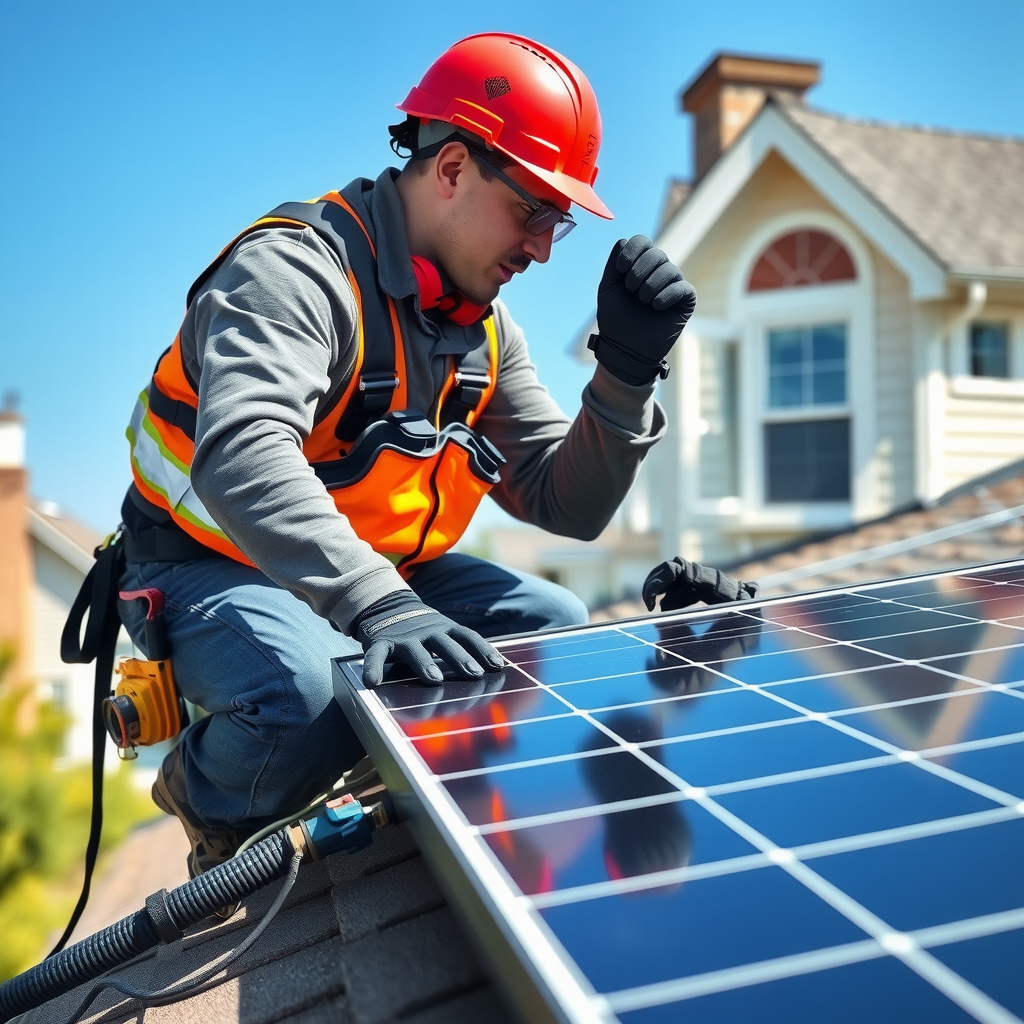
In Scotland, planning permission for solar panel installations is generally not required unless the panels are particularly large or exceed certain dimensions. This leniency simplifies the installation process, allowing homeowners to proceed without extensive bureaucratic hurdles. However, it is essential for homeowners to consult with local authorities to confirm specific requirements, especially for properties located in conservation areas or those with listed status. Such measures ensure that any installation complies with local regulations while preserving the architectural integrity of historic buildings.
Scottish government policies strongly support the widespread adoption of solar panels as part of the nation’s commitment to renewable energy. Recent policy changes have been implemented to remove barriers and facilitate easier installation processes. For instance, regulations have been relaxed to encourage more households to adopt solar energy solutions, aligning with Scotland’s broader sustainability goals. This proactive stance by the government not only promotes environmental responsibility but also ensures that solar energy becomes more accessible to the general public, thereby contributing to the country’s renewable energy targets.
Final Words
With over 148,000 homes now harnessing solar energy, solar panels have become a mainstay in Scotland, resilient against the nation’s unique weather conditions. The cost of installation may range between £2,500 and £10,500, but savings of £440 annually significantly offset these expenses. Most Scottish households find their investment breaks even within 17 years.
Navigating through the installation process is streamlined with reputable providers, which ensures efficiency and reliability. Grants and incentives, including the Home Energy Scotland Grant and Loan, further enhance affordability.
Complementing this are solar-assisted heat pumps and integrated panels designed for aesthetic modern homes. Simplified regulatory frameworks also bolster the uptake of solar solutions. The potential benefits of solar panels in Scotland remain compelling, providing a sustainable future while reducing dependency on conventional energy sources.

Inara focuses on charitable initiatives, community outreach, and fundraising strategies.